Skip to content

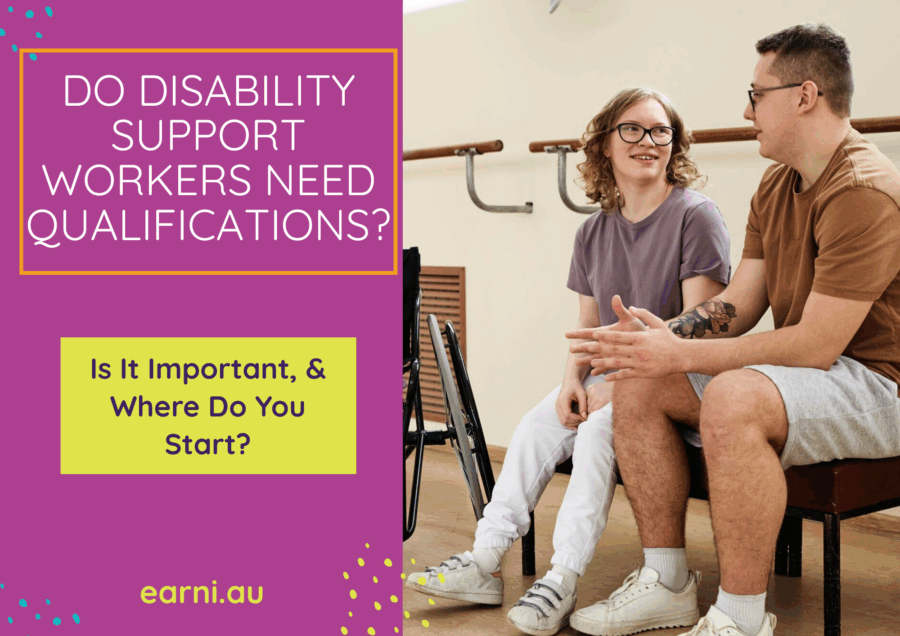
Is it important as a disability support worker to have qualifications?

Read Time – 5mins

Working as a NDIS Disability Support Worker, but don’t have formal qualifications?

Wondering if it is worth it, and will it make a difference?

Believe it or not, but having particular qualifications as a support worker can boost your confidence and your career.

If you’re already supporting a client with disability, you probably know that growing a connection, having genuine compassion, and being consistent with your clients will go a long way. But when it comes to growing your own career as a disability support worker, and finding the right clients that fit you, qualifications can make a real difference.

Is it important for disability support workers to have qualifications?

The good news? You don’t have to be qualified to work in the NDIS space. But having a formal qualification in your area of expertise can offer more stability, better opportunities, and more confidence in the services you provide. Confidence in yourself when offering these services, and confidence for the client seeing you as the right person for them.

Let’s explore what it really means to be “qualified,” what the benefits are, and how to decide if training is right for you.

Do You Need a Qualification to Be a Support Worker?

In most cases, you don’t need a qualification to be a support worker, especially if you’re working as an independent sole trader with NDIS participants. The NDIS is flexible and allows for experience-based care, especially in roles like community access, companionship, or basic personal support.

But here’s the thing: if you’re hoping to grow your client base and expand your small business, or work with clients who require higher levels of care or specialised support, having a qualification helps as you can list this on places like Earni, and advertise what you do to gain more clients.

6 Benefits of Disability Support Workers with Qualifications

  1. Shows Your Commitment
    Qualifications demonstrate that you take your role as a support worker seriously. It shows potential clients and families that you’ve taken the time to learn, grow, and invest in your career.
  2. Attracts More “Right-Fit” Clients
    Clients and support coordinators often look for support workers who are experienced and qualified. A Certificate III or IV in Disability, for example, can help you stand out when people are looking for trusted providers.
  3. Builds Your Confidence
    Training helps you understand the “why” behind what you do, not just the “how.” When you’re qualified, you’re more likely to feel confident navigating challenging behaviours, communication barriers, or care plans.
  4. Opens More Doors
    If you ever want to move into team leadership, support coordination, or more complex work, a qualification gives you options in the future.
  5. Helps You Deliver Better Outcomes
    Training sharpens your skills and expands your brain capacity. You’re putting your best foot forward. That means better support for the people you work with, which is at the heart of it all. People will then want to refer you or tell others who need similar support. Word of mouth is a powerful way to grow your client base.
  6. Assists with Finding More Clients
    If you’re wanting to expand your clients to include more throughout your week, people need to not only find you, but feel like you’re the right fit for them. Having a qualification can remove some of the doubt when people are searching online and in places like Earni’s provider look-up.

Qualifications You May Like to Consider

Depending on your interests and the kind of support you provide, you might consider:

  • Certificate III or IV in Disability
  • Certificate III or IV in Individual Support
  • Diploma of Community Services
  • Diploma of Mental Health

These qualifications can be completed through TAFEs or registered training organisations (RTOs), many of which offer flexible, online or part-time options.

What If I’m Not Qualified Yet?

That’s okay! Many fantastic support workers begin with lived experience or informal care backgrounds. You can:

  • Continue working while you study
  • Access government funding or fee help in many states
  • Start small—perhaps with a short course or micro-credential

It’s not about rushing. It’s about building a solid foundation for your future career, at your own pace.

Investing In Yourself

Whether you’re just starting out or years into your support career, choosing to become a qualified disability support worker is an investment in yourself and the people you support. It can open doors, deepen trust, and help you feel proud of the professional path you’re on.

You’re already making a difference. Adding formal training simply strengthens the incredible work you’re already doing.

While you're here...take a look

I want to become a disability support worker. How?

If you’re thinking about becoming an independent NDIS disability support worker, or you’ve just started the process as a sole trader, you’re stepping into a truly meaningful line of work. Here's our...
43% of Sole Trader NDIS Support Workers Feel Burned Out* — Here’s Why

43% of sole trader NDIS support workers feel burned out. The research has proven it. They're emotionally drained. We uncover why these facts have arisen, plus share our best tips for support workers...
Is it Important as a Disability Support Worker to have Qualifications?

Working as a NDIS Disability Support Worker, but don’t have formal qualifications? Wondering if it is worth it or what to do first? We help you unpack your option so you can make the best decision for...
How do I get more disability support clients?

If you’re a NDIS support worker or provider, one of the biggest challenges is finding new disability clients. Where do you look? If you’re looking to grow your business or fill a few gaps in your...
Mandatory NDIS Registration for Platform Providers: What Support Workers Need to Know

Support workers under Mable or Kind provider platforms, need to know that big changes are on the horizon in 2025/2026 regarding mandatory NDIS registration...

The #1 Way to Simplify Managing Your NDIS Clients & Weekly Schedule

You’re supporting clients, travelling between appointments, answering calls, and trying to keep on top of your business admin. Managing your NDIS clients and weekly schedule can feel complicated &...

How to Build Trust With Your NDIS Clients

First impressions matter. But in the support space, it’s not always about being polished or professional. It's about being real, respectful, and reliable. Here's our best advice on how to build trust...

How to transition from manual client notes & word doc invoices to an easier way – NDIS client admin

If you're still using manual ways to manage your NDIS client admin, there is now an easier way. Running your own support business can be incredibly rewarding—but the admin side often feels like a...